
Trade Results
Forex Smart Trade Results Friday, Nov. 25, 2022 – DAY AFTER THANKSGIVING – NO TRADES
Know Your Forex Broker’s Hedging Policy Do you know your forex broker’s hedging policy? For every forex broker, each and every trade entered into by its customers […]
Forex Smart Trade Results Thurs., Nov. 24, 2022 – THANKSGIVING Holiday – Didn’t Trade
Reverse Hedge. Another variant of C-Booking is the reverse hedge which is when a customer’s trades are either partially or completely reverse hedged. This practice is […]
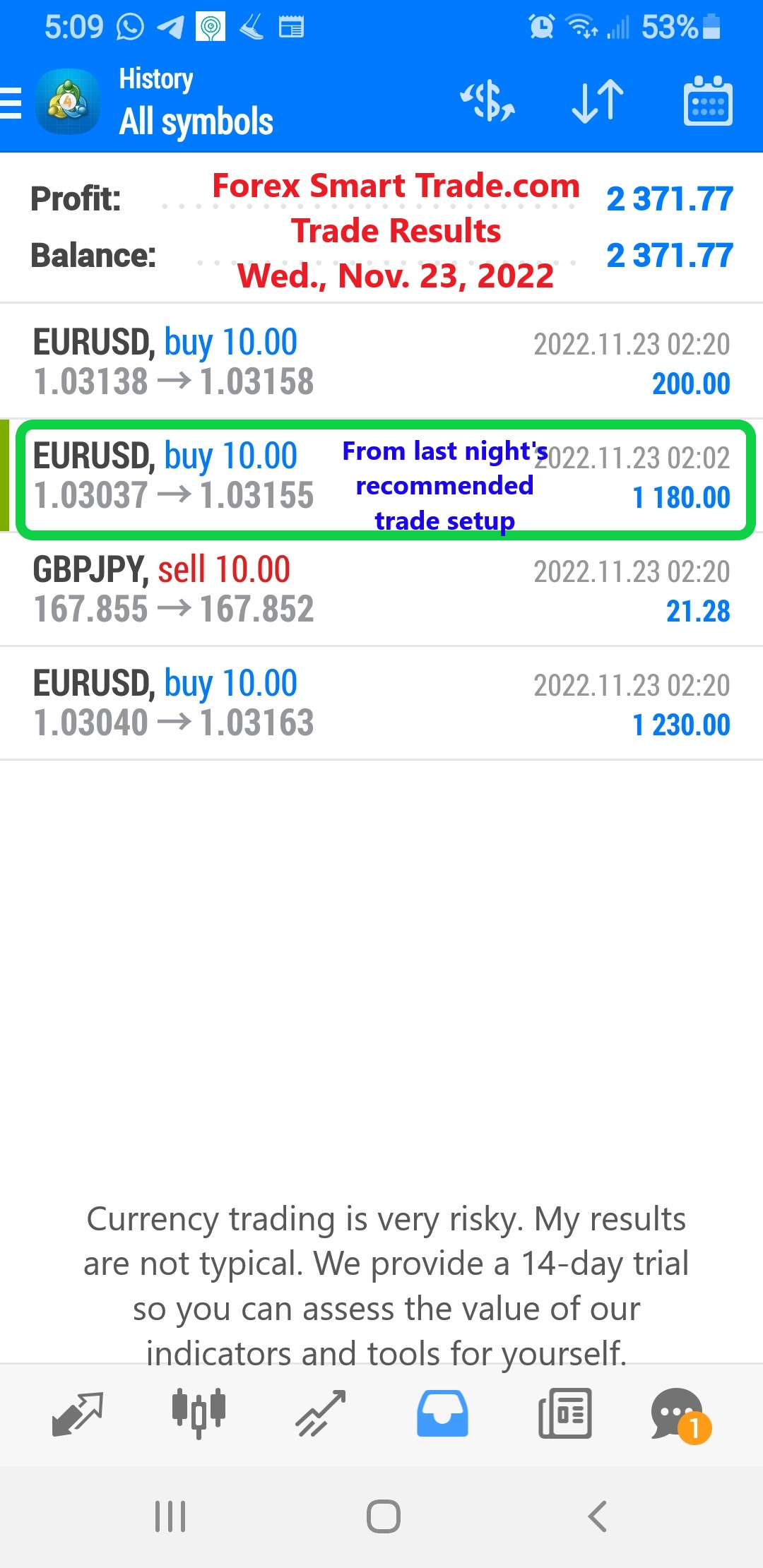
Forex Smart Trade Results, Wednesday, Nov. 23, 2022 – $2,371
Over-hedge. Let’s take a look at what an over-hedge is. C-Booking is not limited to partial hedging. Another variant of C-Booking is when a broker can […]
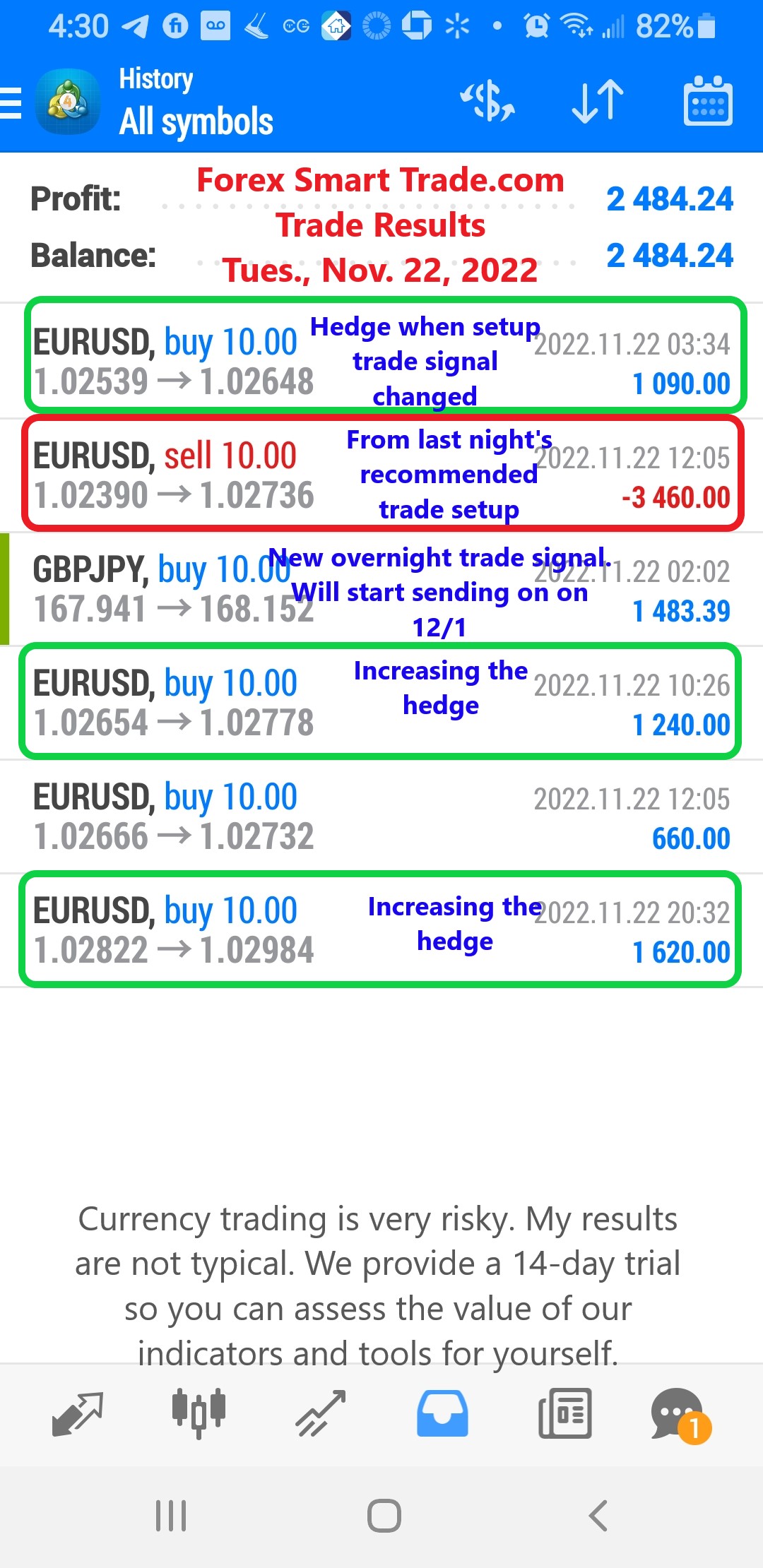
Forex Smart Trade Results Tuesday, Nov. 22, 2022 – $2,484
Partial Hedge. The most common form of “C-Book execution” is the partial hedge of a customer’s order. A broker can hedge market risk in part and not […]
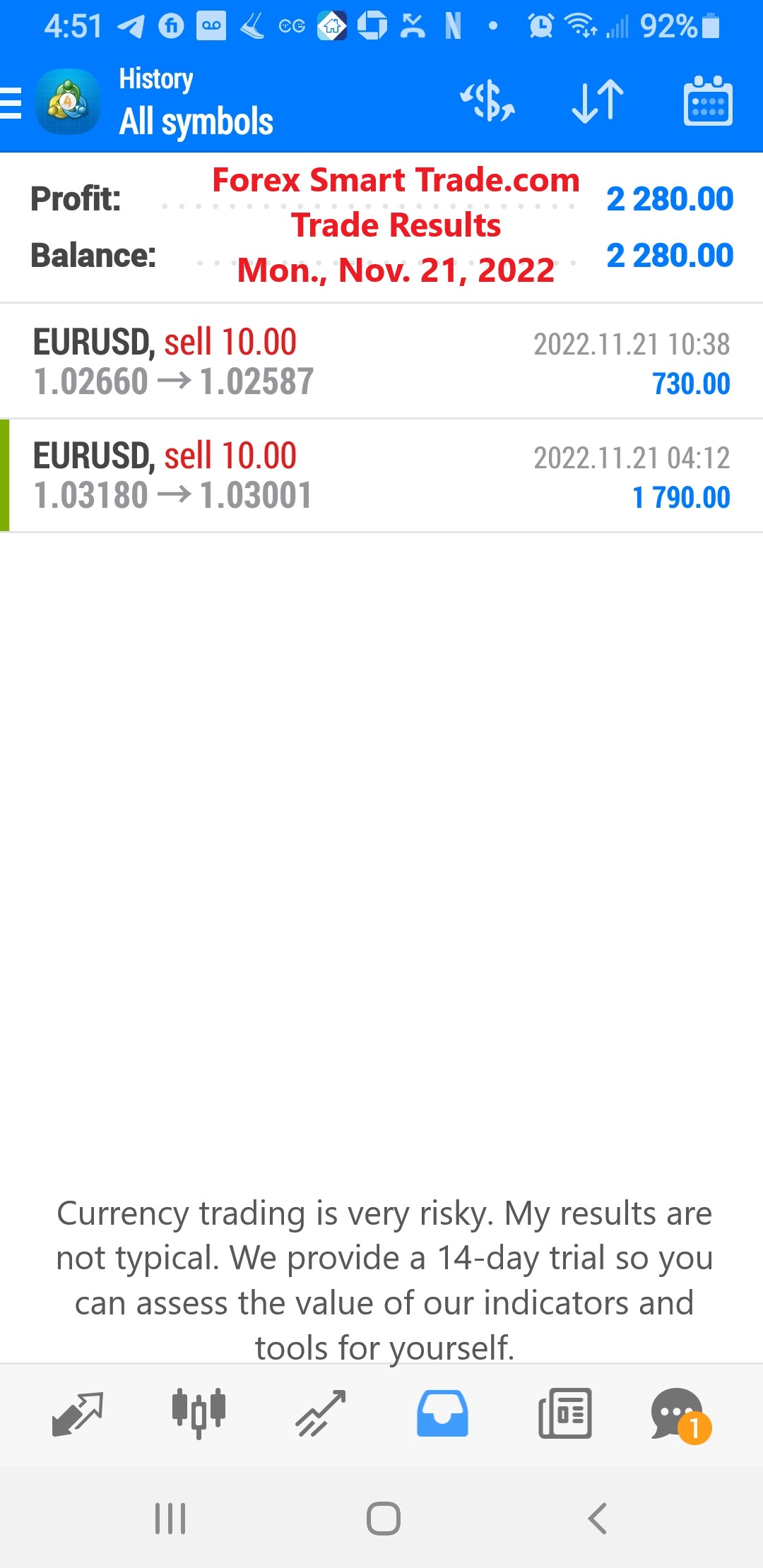
Forex Smart Trade Results November 21, 2022 – $2,280
C-Book and How Forex Brokers Manage Their Risk. Now let’s take a look at C-Book and how forex brokers manage their risk using it. Aside from […]
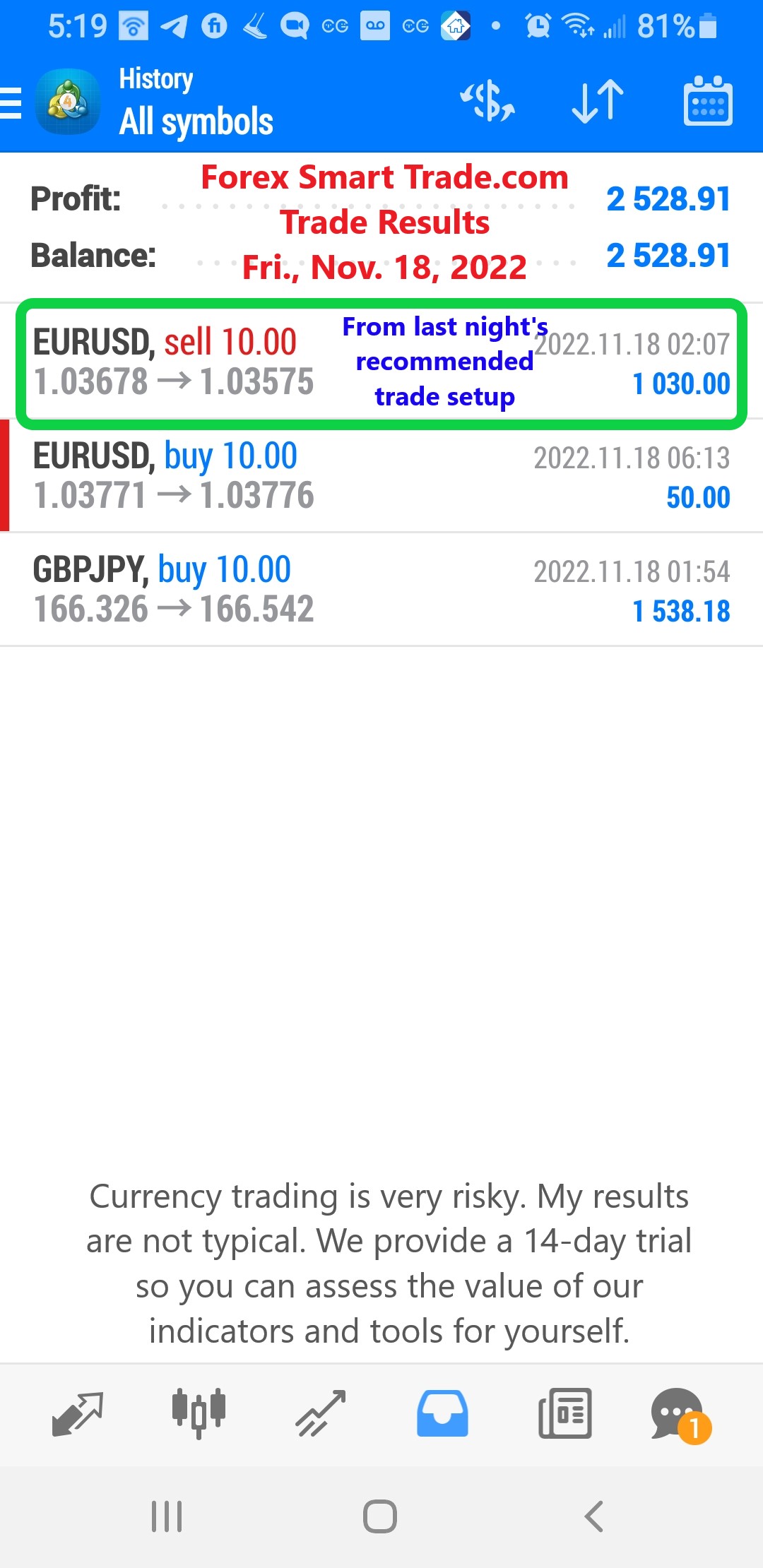
Forex Smart Trade Results November 18, 2022 – $2,528
Most Forex Brokers Use a Hybrid Approach. Most forex brokers use a hybrid approach. We don’t see anything wrong with a broker operating both A-Book and […]
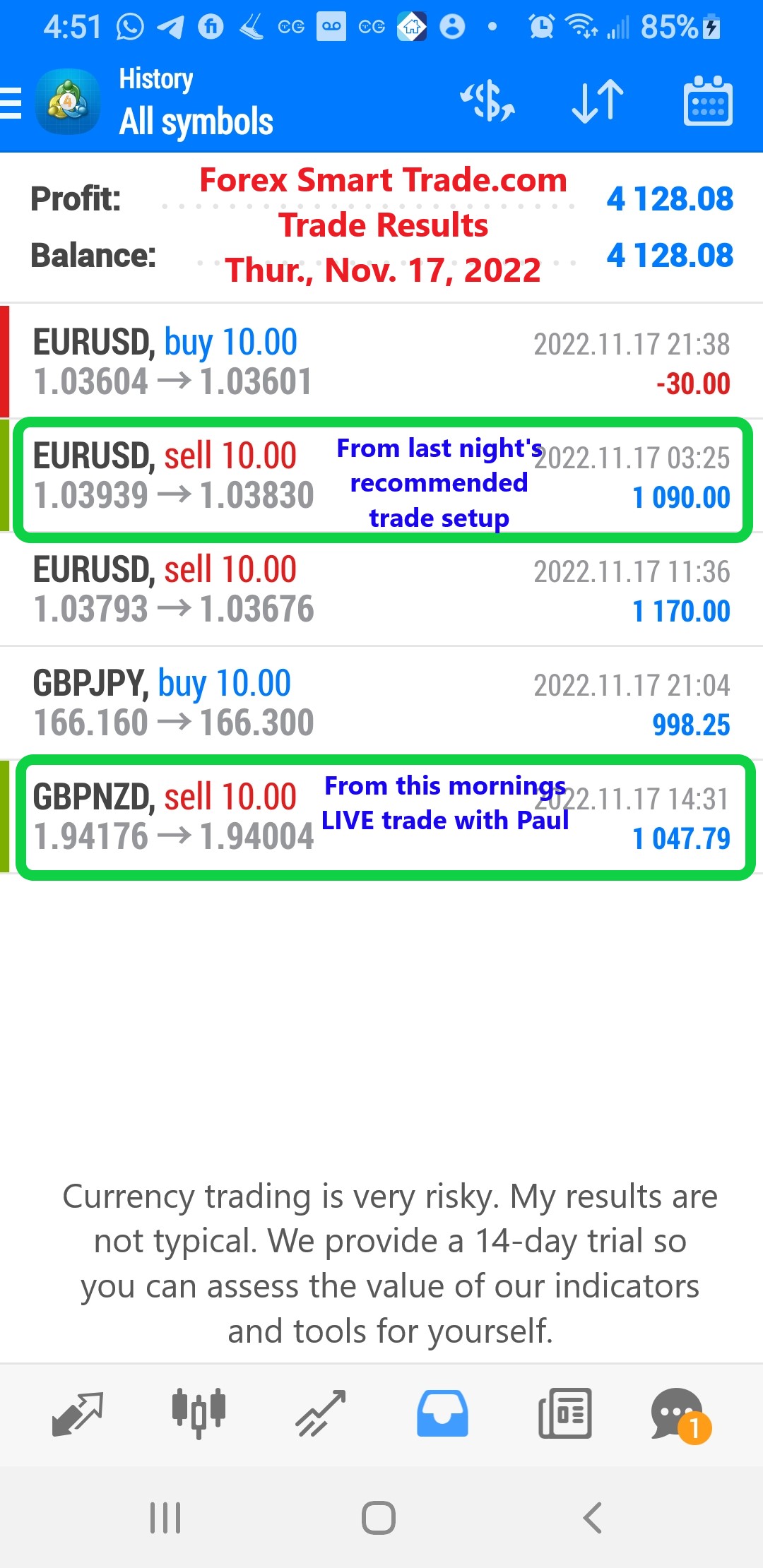
Forex Smart Trade Results November 17, 2022 – $4,128
Large Forex Brokers. For larger forex brokers, because they have many customers opening trades in both (long and short) directions, they are able to internally offset […]
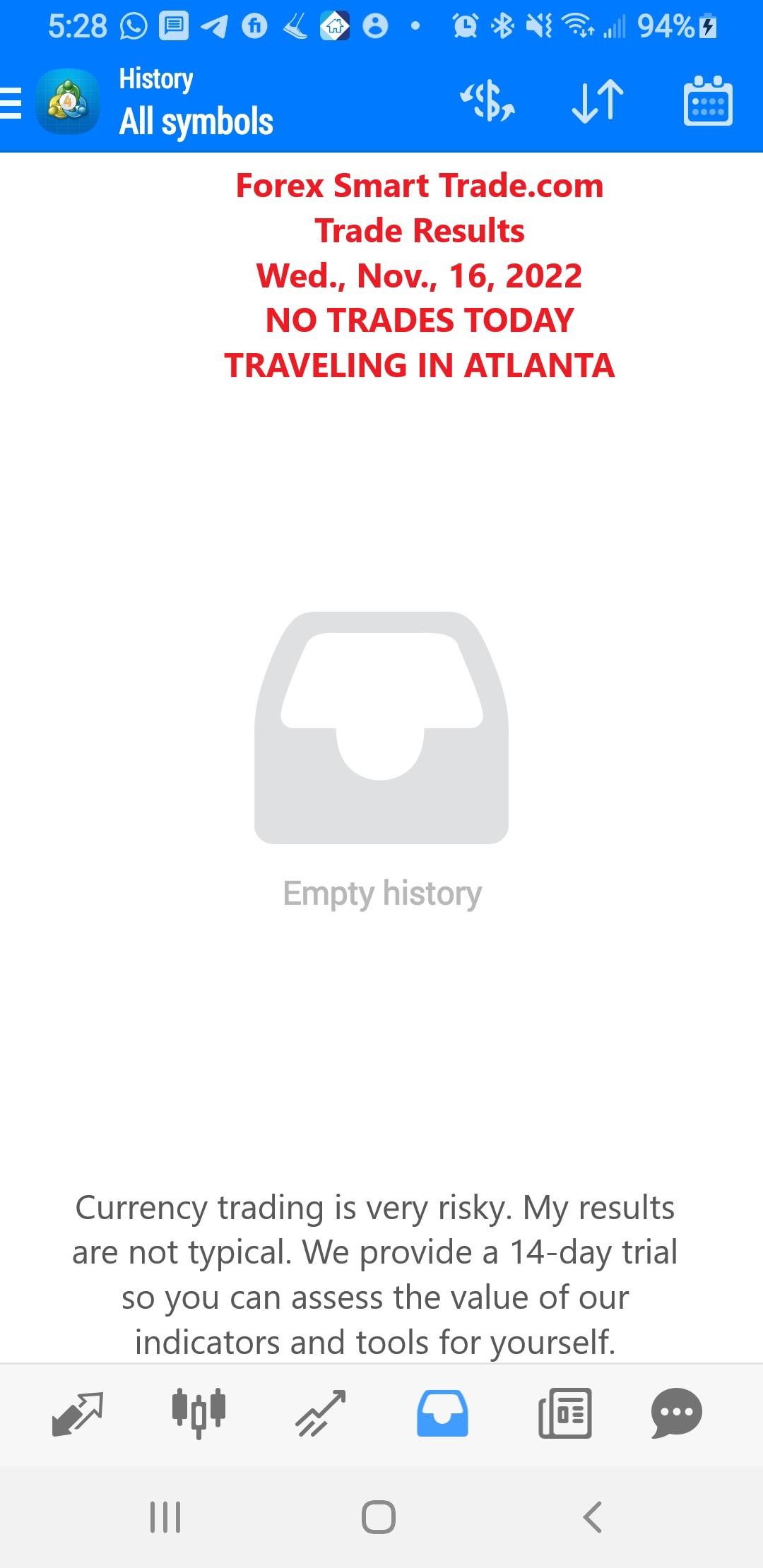
Forex Smart Trade Results November 16, 2022 – TRAVELING NO TRADES TODAY
Customer Profiling in the Hybrid Model. Let’s look at customer profiling in the hybrid model. The forex broker has to decide which customers go to A-book […]
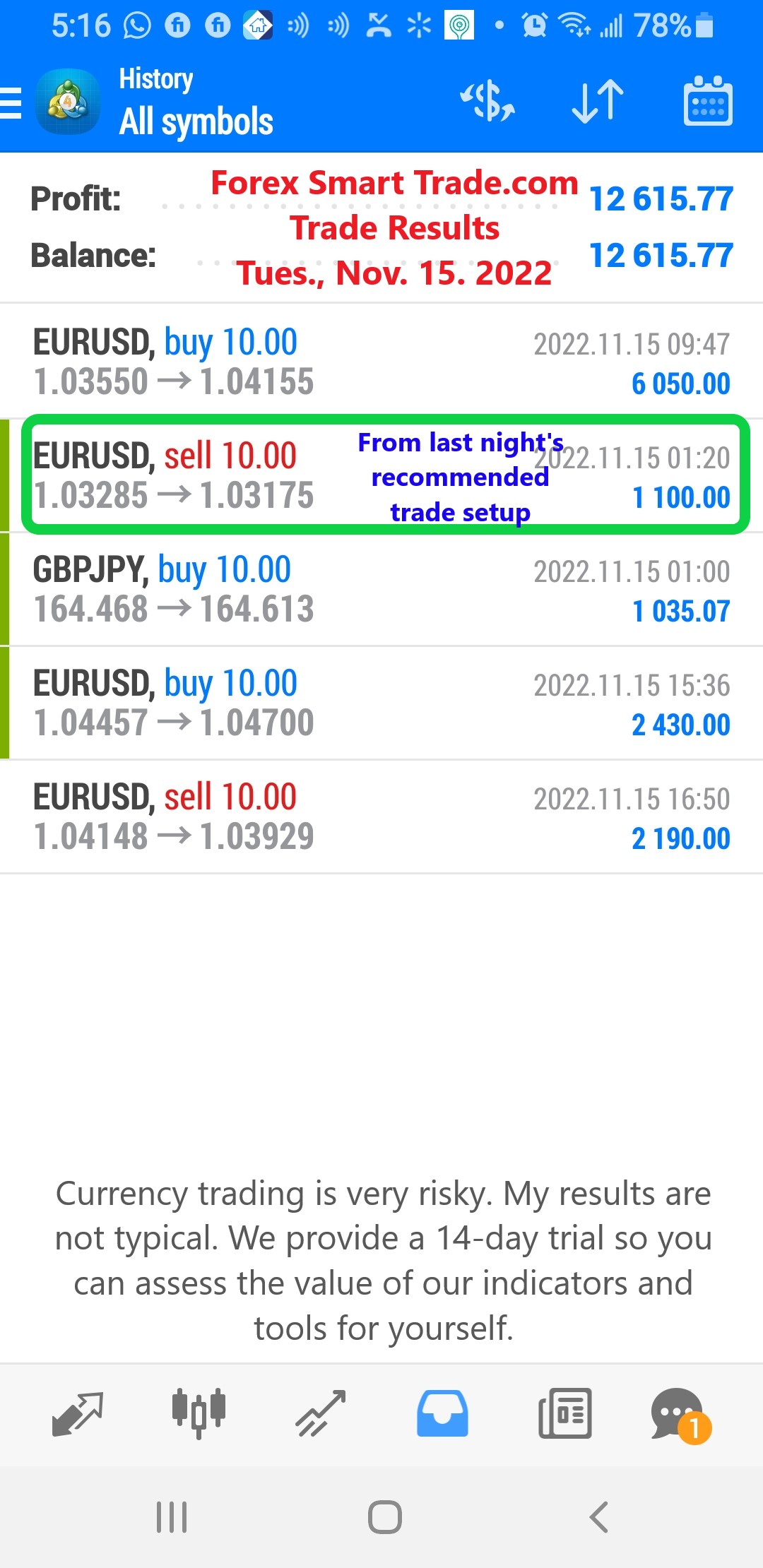
Forex Smart Trade Results November 15, 2022 – $12,615
The “Hybrid Model” Used By Forex Brokers. Let’s review the hybrid model used by forex brokers. In the previous lesson, we talked about why forex brokers are […]
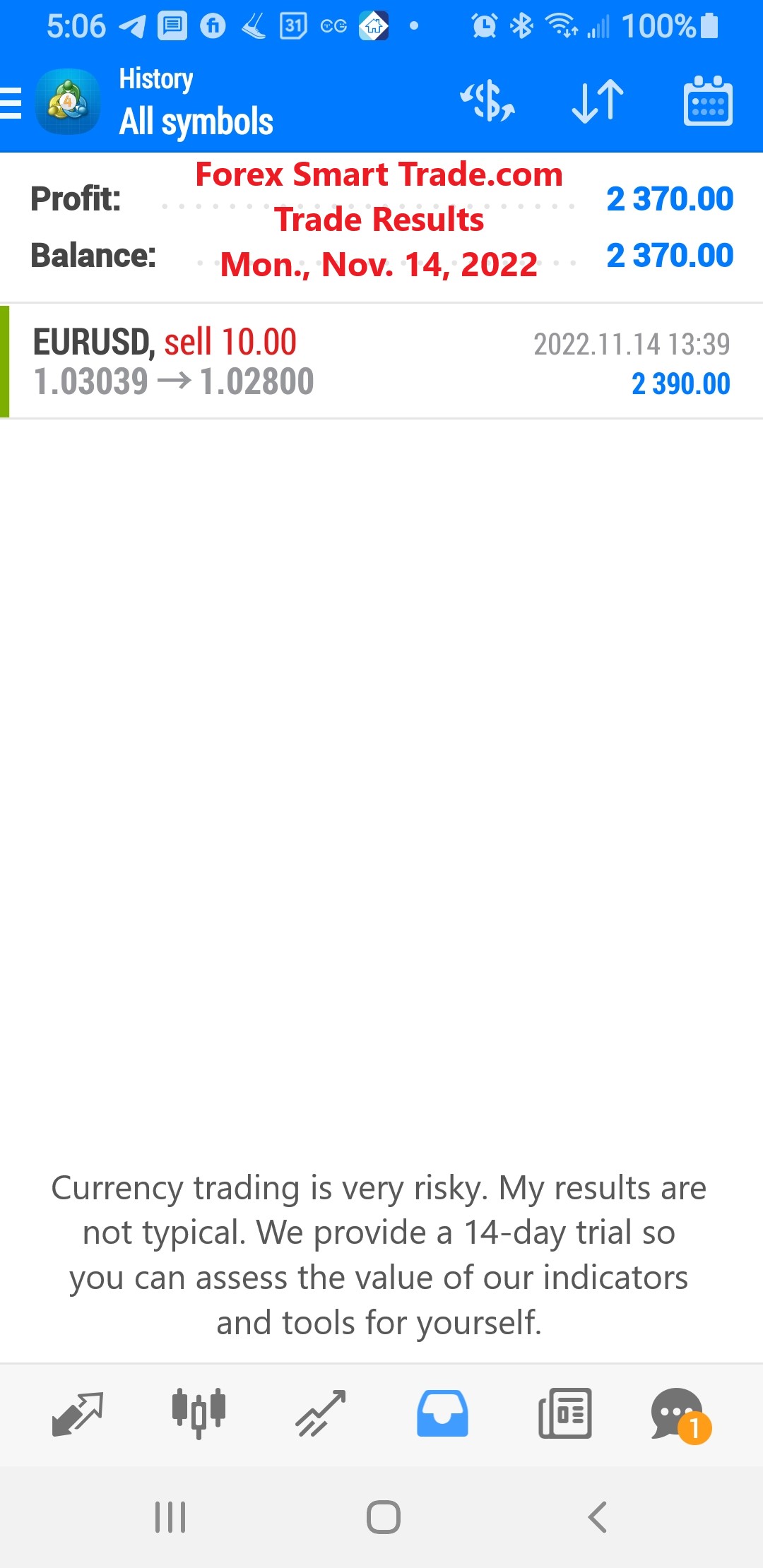
Forex Smart Trade Results November 14, 2022 – $2,370
What B-Book Brokers Don’t Like. Customers Who Win Consistently B-Book brokers don’t necessarily like customers who win consistently. These customers will grow their account balance over time. […]
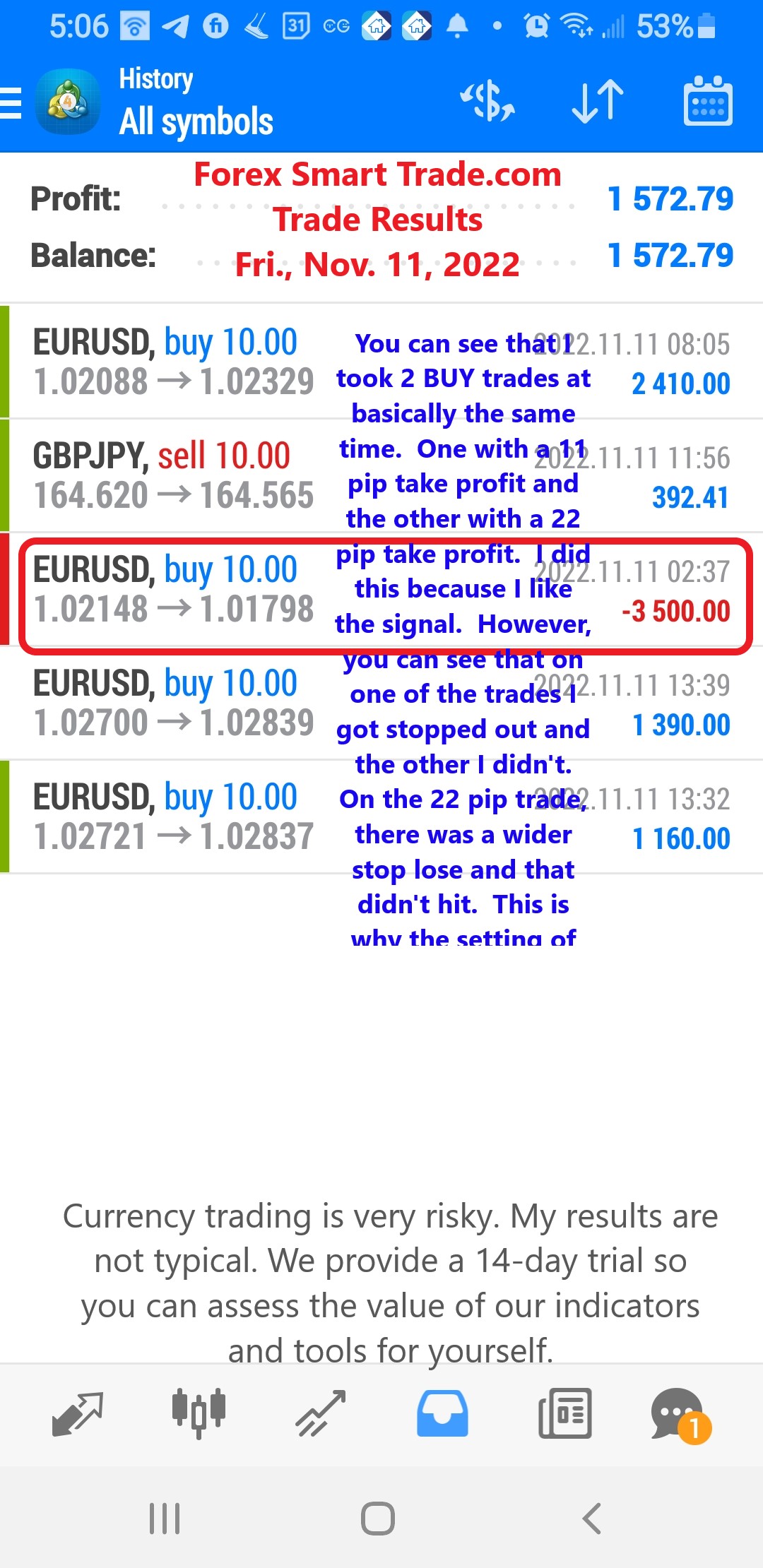
Forex Smart Trade Results November 11, 2022 – $1,572
What B-Book Brokers Like. A large number of similarly sized customers. B-Book brokers prefer to have a lot of similarly sized customers who trade as frequently as […]
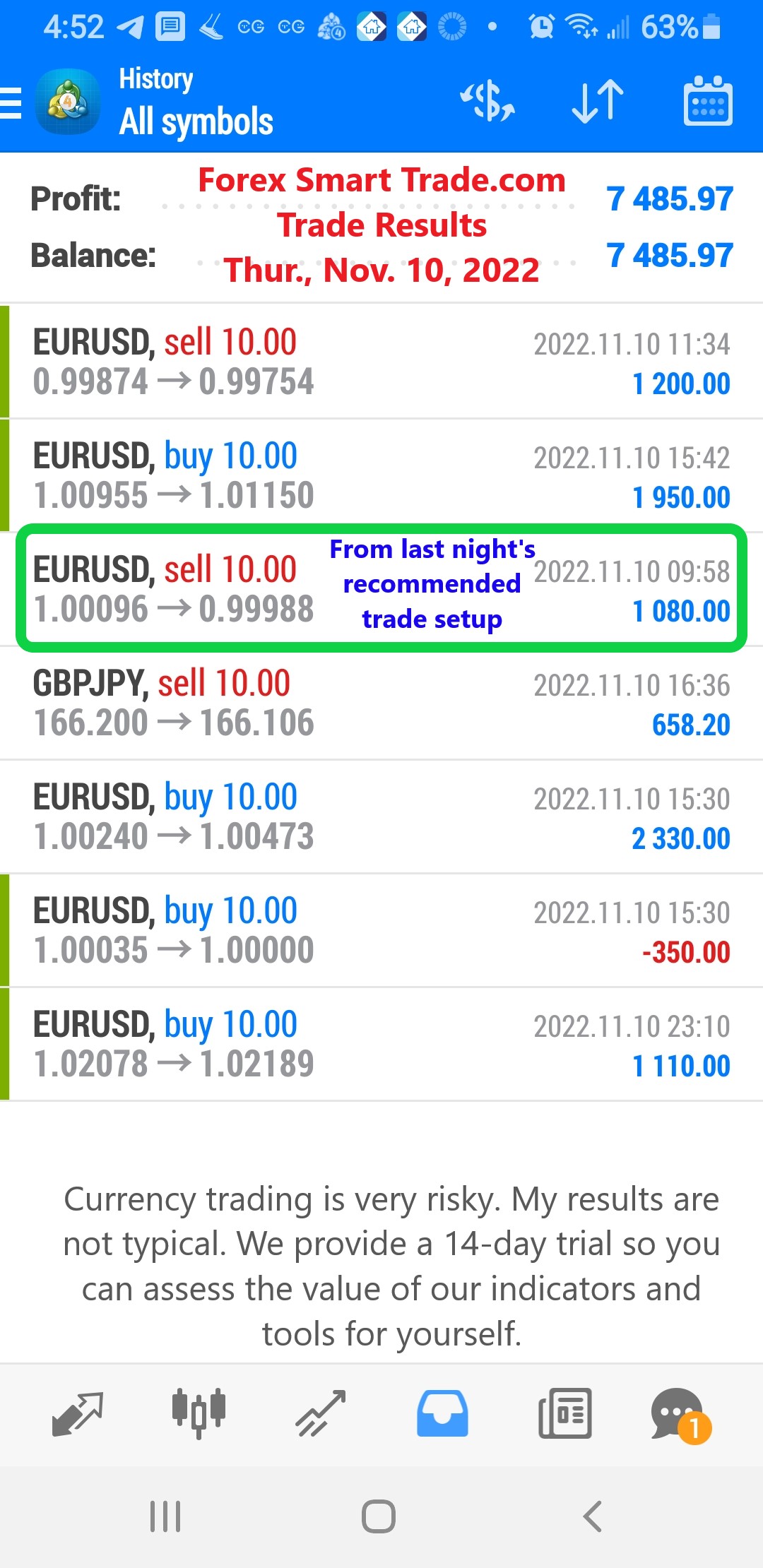
Forex Smart Trade Results November 10, 2022 – $7,485
How B-Book Brokers Make Money. You buy from the broker and sell to the broker. If you make money, the broker loses money, and vice versa. […]
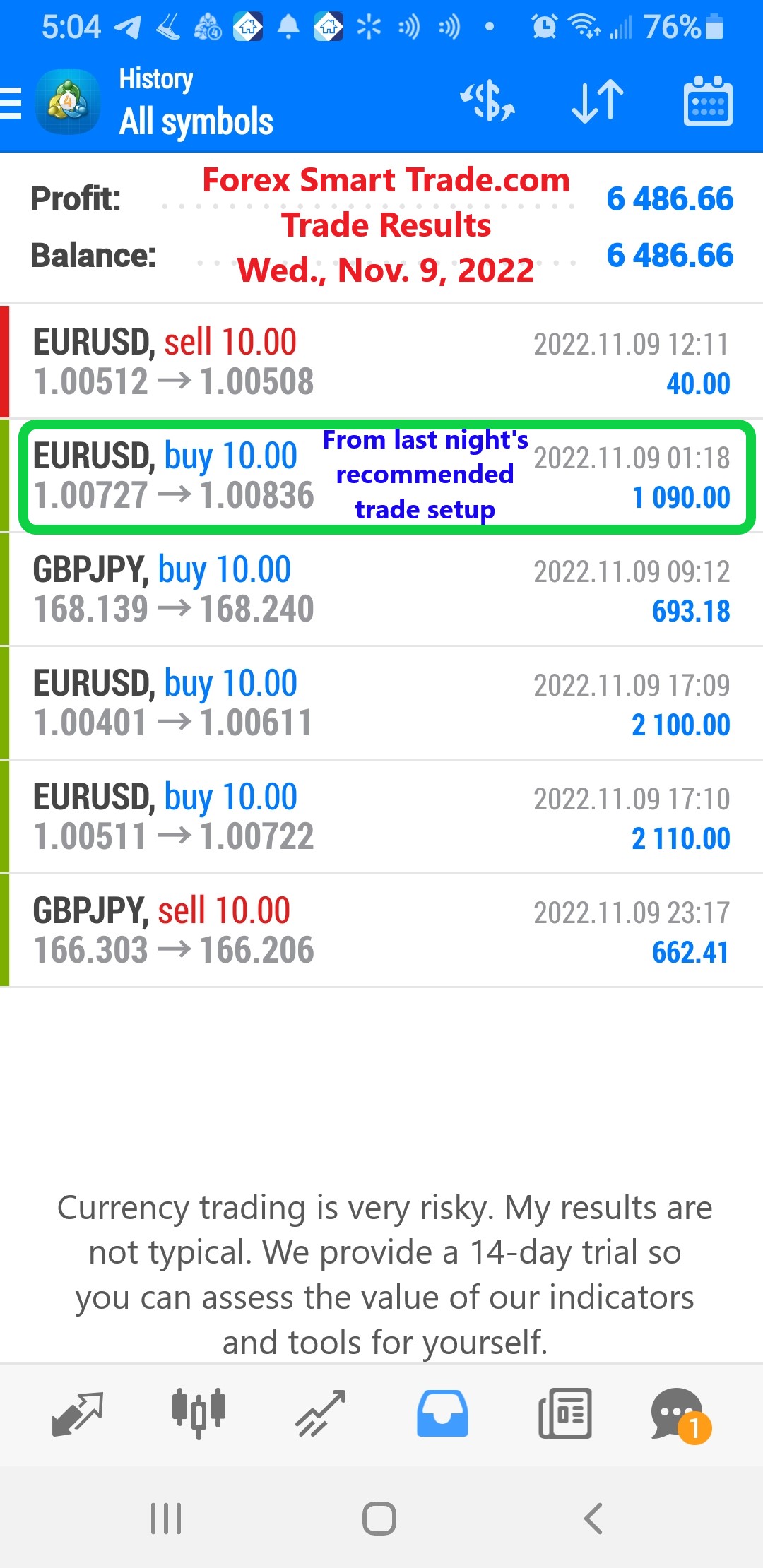
Forex Smart Trade Results November 9, 2022 – $6,486
Why Do Forex Brokers B-Book? Let’s take a look at why do forex brokers B-Book? And let’s start with the question, what is a B-Book broker? […]
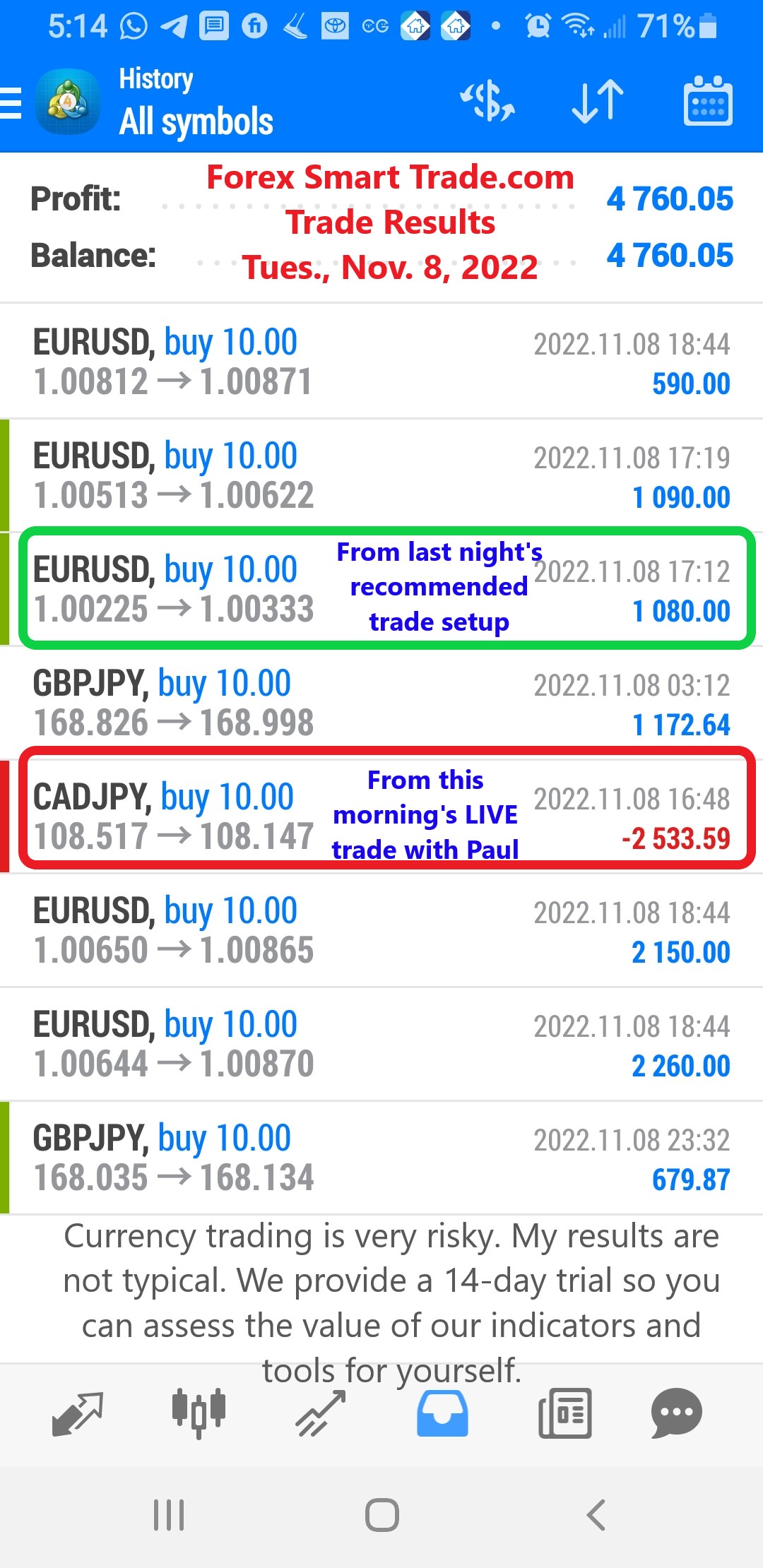
Forex Smart Trade Results November 8, 2022 – $4,760
Managing Residual Risk. Let’s look at managing residual risk from a forex broker’s perspective. They can manage it in two ways: The broker can transfer this […]
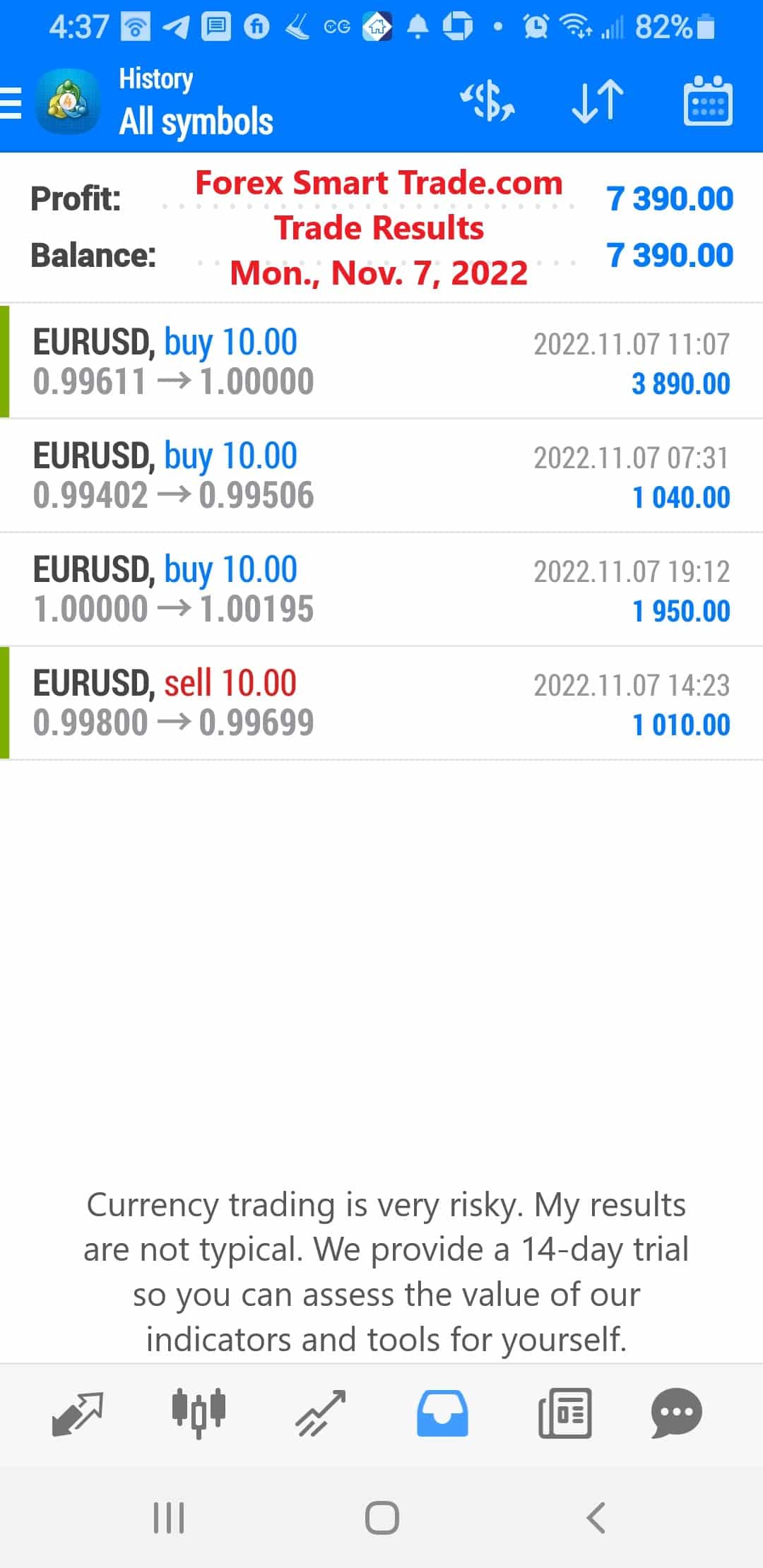
Forex Smart Trade Results November 7, 2022 – $7,390
Internalization. Let’s continue our discussion of internalization. For example, the broker can see in its book that it has a total of 10 million units of long GBP/USD […]
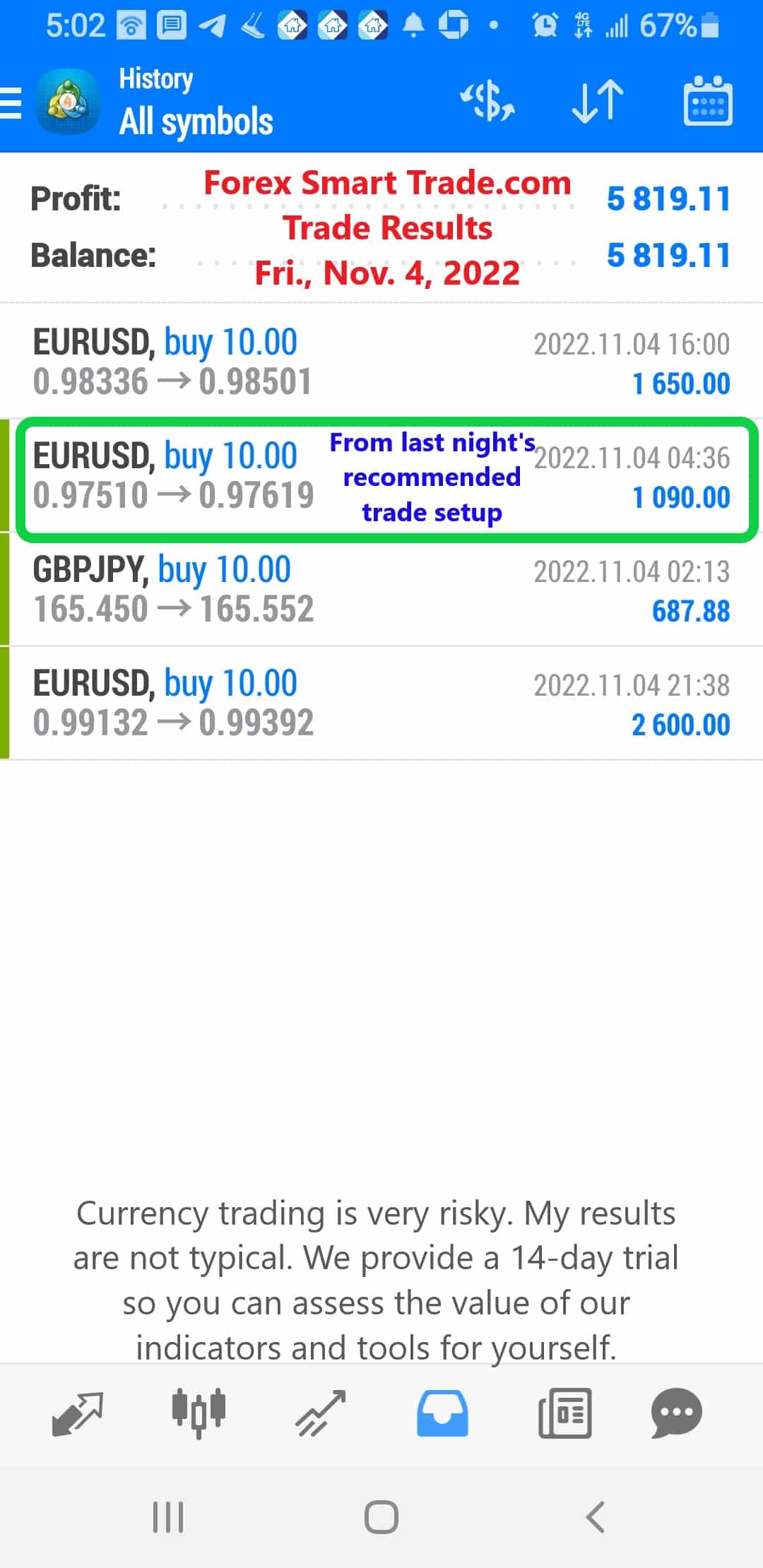
Forex Smart Trade Results November 4, 2022 – $5,819
Internalization. Let’s examine internalization, which is how forex brokers aggregate orders and hedge residual risk. How Forex Brokers Aggregate Orders and Hedge Residual Risk. With A-Book […]
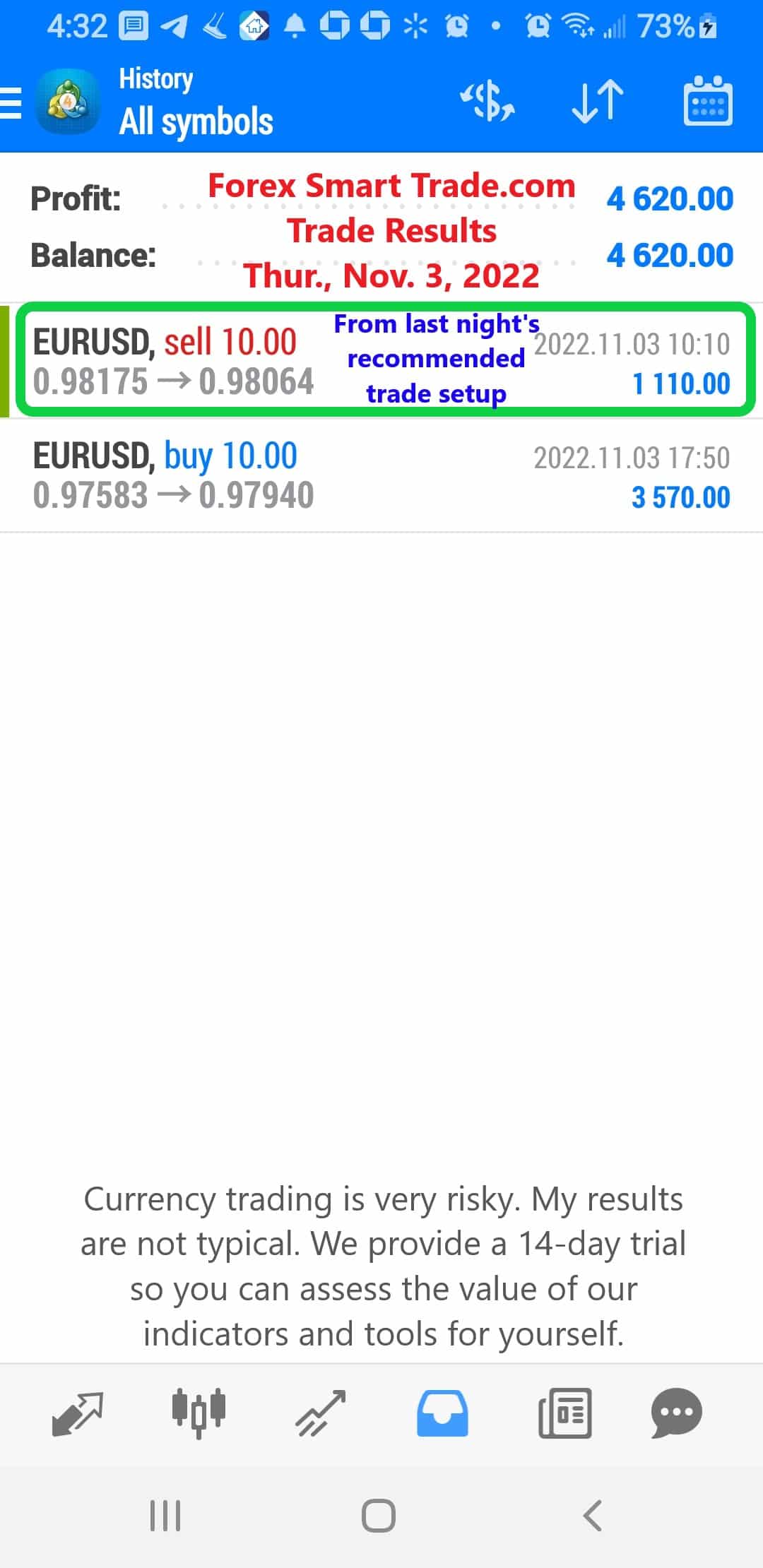
Forex Smart Trade Results November 3, 2022 – $4,620
Riskless Principal. When a trade is executed via STP, this type of transaction is known as a “riskless principal” or “matched principal” transaction. What is a […]
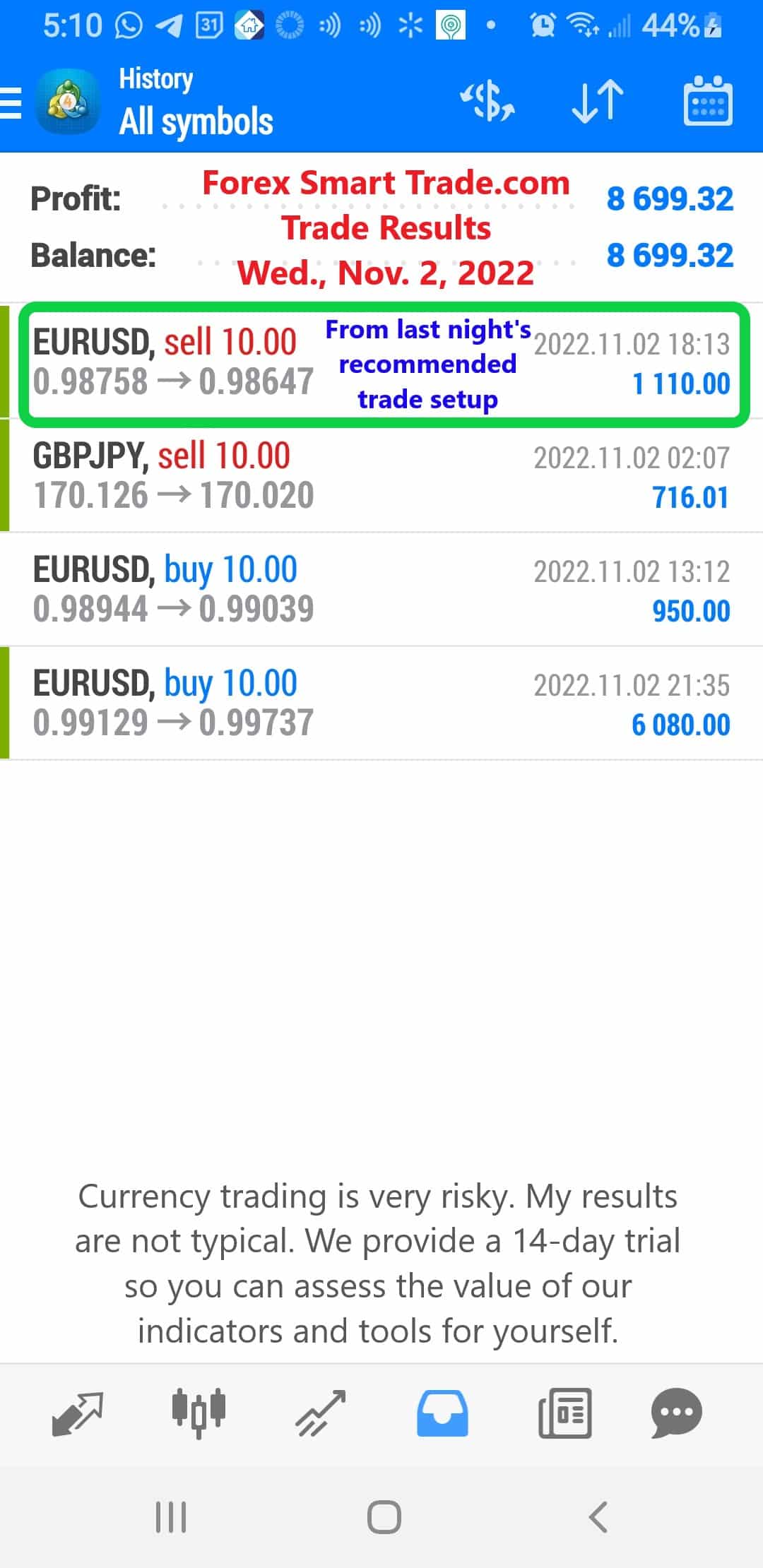
Forex Smart Trade Results November 2, 2022 – $8,699
STP Execution. Let’s see how STP execution actually works. A-Book vs. STP A trade that is “A-Booked” is sometimes associated with being “STP’ed” or simply “STP”. […]
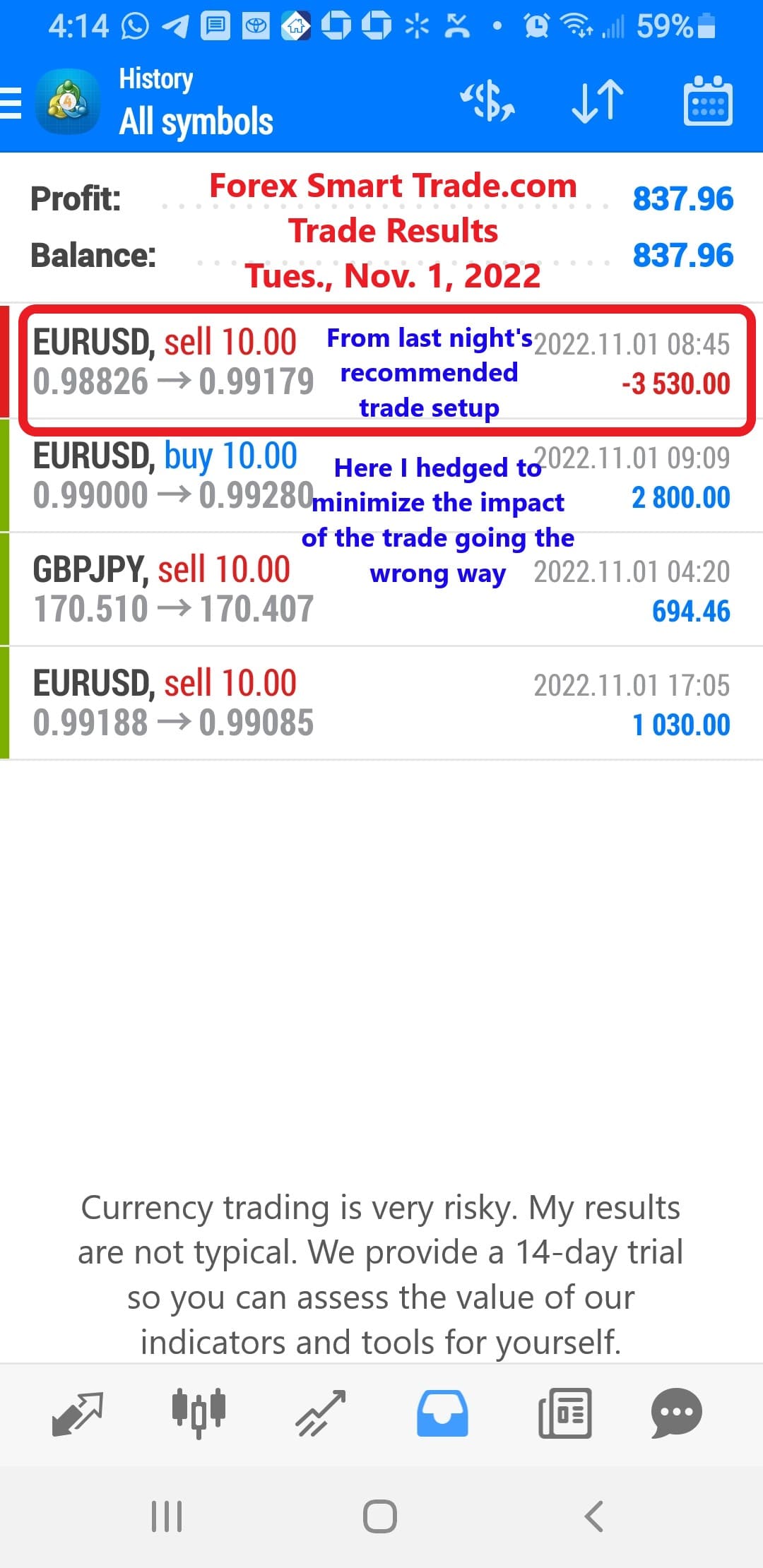
Forex Smart Trade Results November 1, 2022 – $837
STP Execution: How Forex Brokers Manage Their Risk. Let’s explore STP execution and how forex brokers manage their risk using it. A-Book brokers are sometimes also […]
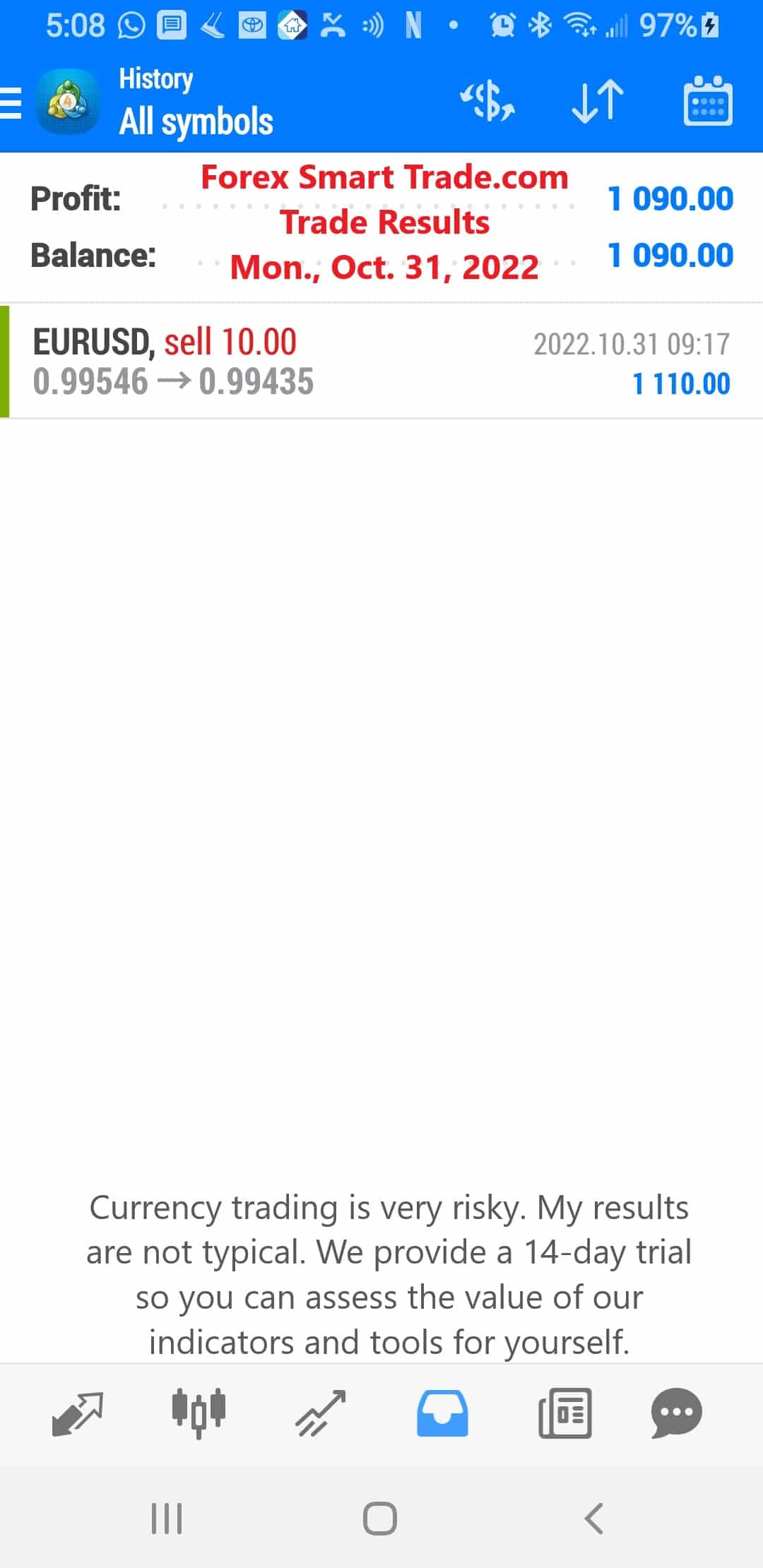
Forex Smart Trade Results October 31, 2022 – $1,090
Challenges of A-Book Execution Continued Let’s continue our discussion from yesterday’s discussion of the challenges of A-Book execution. If a broker is going to rely on […]
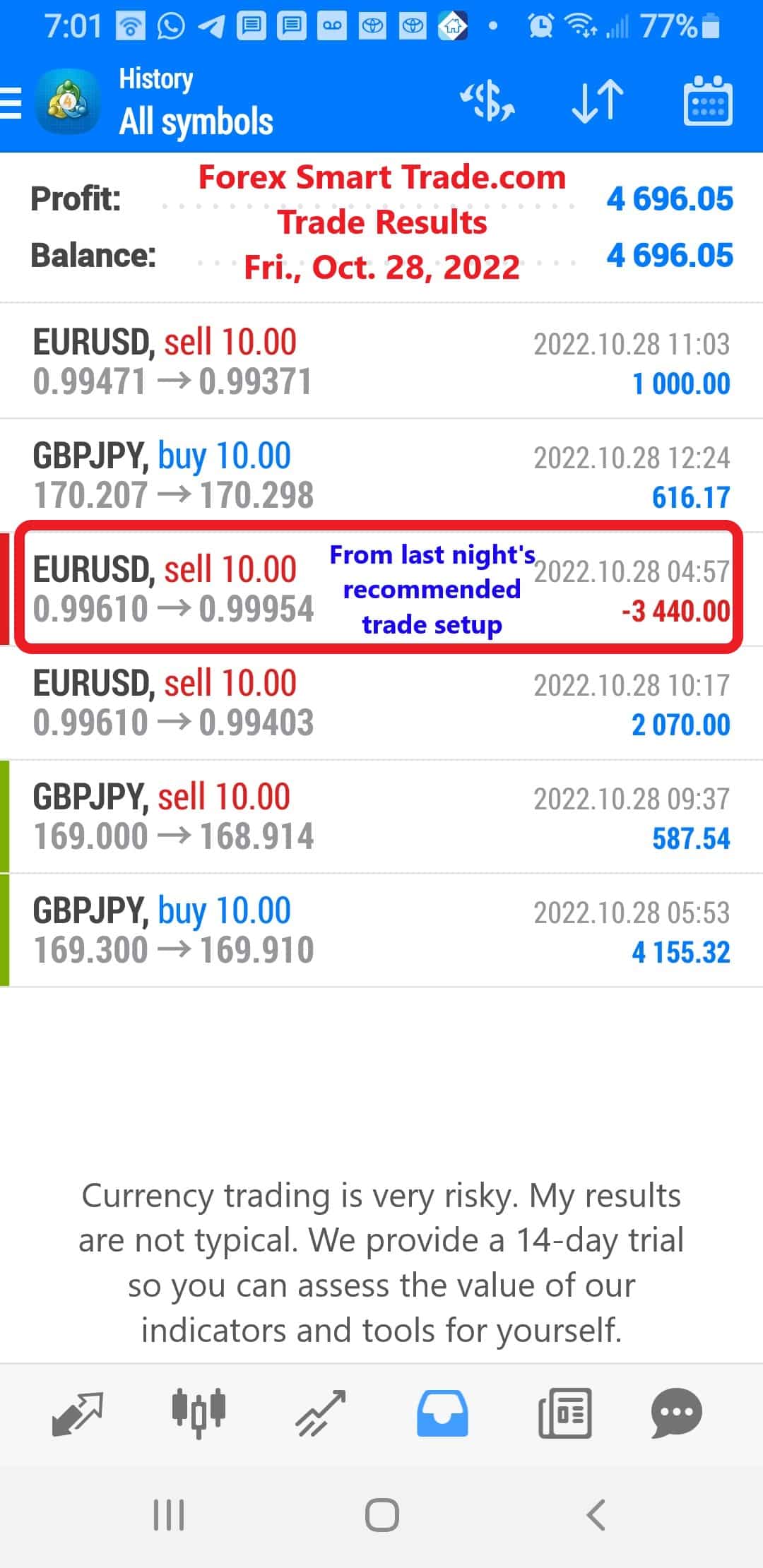
Forex Smart Trade Results October 28, 2022 – $4,696
Challenges of A-Book Execution. The A-Book execution model comes with its own unique challenges. An A-Book forex broker can only earn profits from markups IF the rates at which […]